Reflections
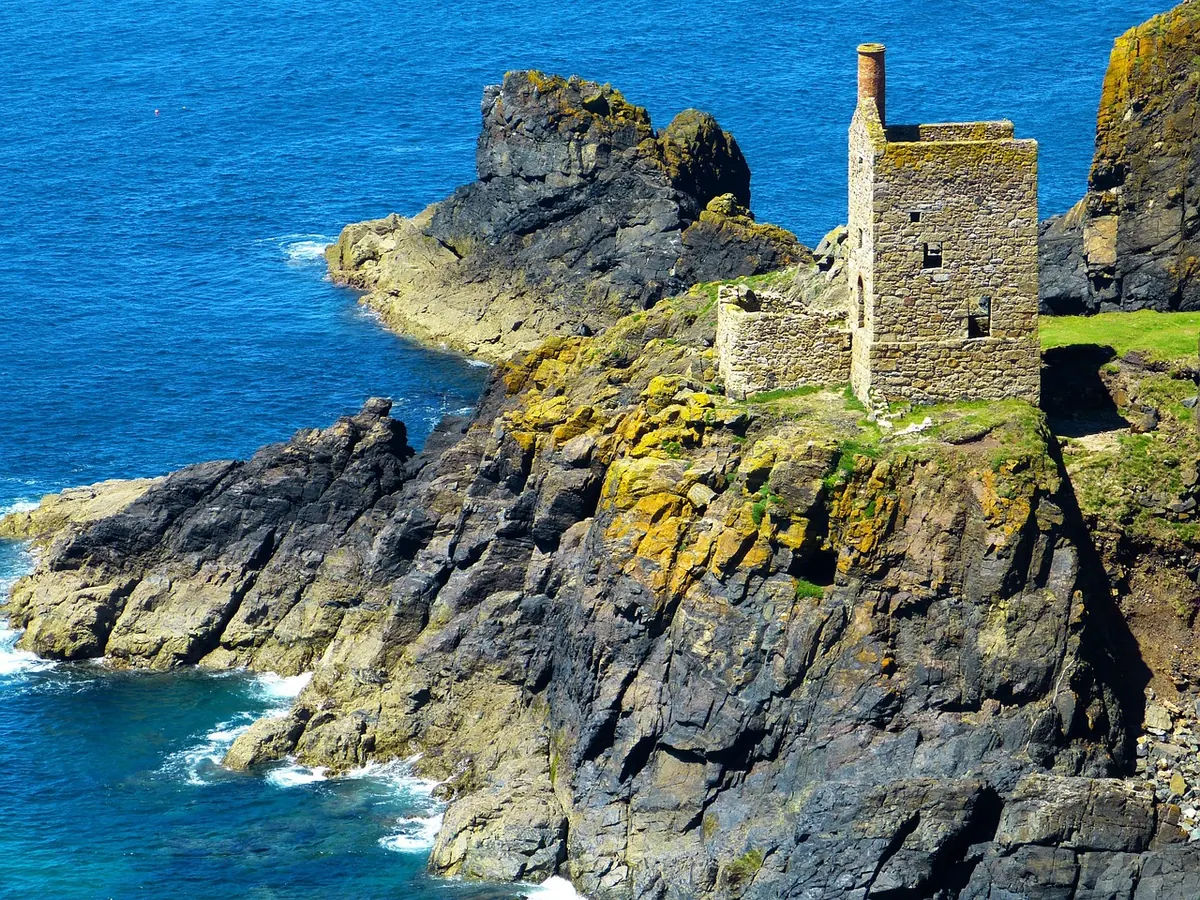
The Wise and Foolish Builders: A Reflection on Strong Foundations
Two houses, one storm. Stand on the road on a bright, still afternoon and you would struggle to tell them apart: same roof line, same tidy path to the door, same curtains drawn against the heat. The parable of the wise and foolish builders turns on something you cannot see from the street — what lies underneath. One man dug until he reached rock. The other built on sand and probably saved himself a fortnight's labour.
Jesus told the story at the end of the Sermon on the Mount (Matthew 7:24–27, echoed in Luke 6:46–49). It runs to barely five verses, and most of us have known it since childhood, which is precisely the problem. Familiarity lets us nod at it and move on, as though the point were simply that storms come and some people cope better than others. The point is sharper than that. It is also kinder.
Both Builders Heard the Same Words
The first surprise is who the two men are. Both heard the teaching. Both picked up tools. Neither was idle. The difference is not knowledge, sincerity or effort — it is what each did with what he heard. One put it into practice; the other admired it, agreed with it, and carried on as before.
That is an uncomfortable mirror. It is entirely possible to be busy, well-read and earnest, and still be building on sand. Attendance is not a foundation. Neither is enthusiasm. A person can hold all the right opinions about generosity and never once give anything away; can talk fluently about forgiveness and keep a grudge polished for a decade. Hearing is the easy part. Digging is where the two houses divide.
Rock Is Rarely the Convenient Choice
Sand has a great deal going for it. It is right there, on the surface, warm underfoot. It asks for no excavation, no blistered hands, no delay. Sand is the urgent option, the sensible one, the choice that gets the house up before winter. Rock is deeper, heavier work. It costs time and sweat, and it offers nothing to look at. Nobody drives past a building site and admires the footings.
This is why the parable is about patience as much as obedience. Foundations are laid when the weather is fine and there is no obvious need for them. They are dull, invisible and almost impossible to boast about, which is exactly what makes them reliable.
What a Foundation Actually Looks Like
Rock, in a human life, is not a mood or a feeling. It is usually a set of quiet, repeatable decisions that hold their shape under pressure. Among them:
- Habits kept when no one is watching — the small daily disciplines that decide who you are when the pressure is on.
- Promises honoured when it costs something — arriving when you said you would, repaying what you borrowed, telling the truth when a softer answer would be easier.
- Money handled before it is needed — spending below your means, keeping something aside, opening the letter rather than avoiding it. If your finances are already in real difficulty, a qualified adviser is worth more than general advice.
- Relationships tended before a crisis — the friend you ring in ordinary weeks is the friend who answers in a bad one.
- Convictions you have tested — beliefs held because you have thought them through, alone and with others, rather than merely absorbed.
- A rhythm of rest, prayer or reflection — whatever keeps you honest with yourself, kept regularly rather than in emergencies.
None of that is dramatic. All of it is diggable, this week, in ordinary weather.
How Sand Disguises Itself
The foolish builder is not a villain. He is a man in a hurry who mistook the absence of rain for safety, and sand rarely announces itself. It arrives dressed as common sense. A few signs that the ground beneath you may be looser than it looks:
- Everything feels urgent, and nothing is planned.
- You can describe what you believe, but cannot point to a single recent action that matches it.
- Your decisions are made mainly to keep the peace, rather than to stay truthful.
- Your plans and intentions live only in your head, where nothing can be tested.
- You cannot name one person who would tell you plainly that you are wrong.
If two or three of those ring true, the good news is that foundations can be laid at any point, including late. Digging is simply less pleasant once it is raining.
The Storm Reveals Rather Than Decides
One detail is easy to miss: the weather is identical for both houses. The same rain, the same rising streams, the same wind. Faithfulness does not exempt anyone from trouble, and the flood is not God quietly settling scores. It simply shows what was always there.
The rain came down, the streams rose, and the winds blew and beat against that house; yet it did not fall, because it had its foundation on the rock. (Matthew 7:25)
Nor does a firm foundation mean that nothing breaks. Houses on rock still lose tiles; people with solid lives still grieve, lose work, fall ill, and sit in rooms they would rather not be in. What the foundation buys is not immunity but survival — a structure still standing afterwards, and therefore repairable.
Rebuilding When the Water Recedes
Some readers will
Photo: LoggaWiggler / Pixabay