Fables
Parables vs Fables: A Side-by-Side Comparison with Examples
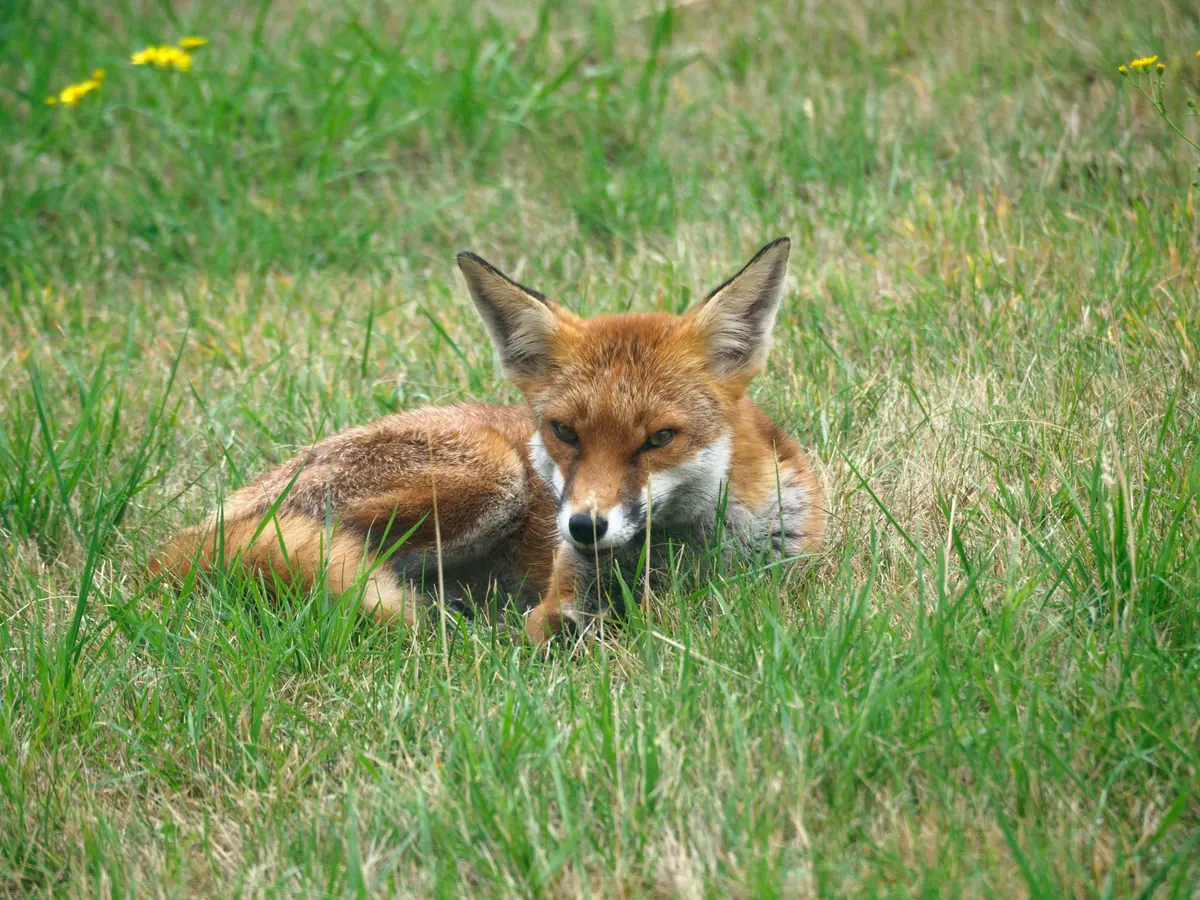
A fox stretches for a bunch of grapes, misses, and walks off muttering that they were probably sour anyway. A traveller on the road from Jerusalem to Jericho is robbed and left half dead; a priest and a temple assistant pass by on the other side, and a Samaritan stops. Both stories are short. Both land a point. Both have been retold for centuries.
They are not the same kind of story, though. One is a fable, the other a parable, and the difference is not simply that parables are religious and fables are not. It comes down to what each one asks of the person listening.
Purpose: an instruction or an interruption?
A fable is a compact observation about how the world works, dressed up in animals. Aesop's fox, ant and wolf exist to make a general point about conduct: don't trust flatterers, don't count your chickens, prepare for winter while you can. The fable hands over a rule you can carry into the next situation.
A parable does something sharper. It is an argument in story form, aimed at a particular audience at a particular moment. When Jesus tells of a man beaten on the Jericho road, he is answering a lawyer's question — who counts as my neighbour? — and by the end the lawyer has to answer it out loud himself. The story was built to catch him.
A fable says this is how the world goes, so adjust your behaviour. A parable says you already know what is right; now look at yourself.
Where each form tends to live
Fables travel in collections rather than scriptures. The Greek tradition attributed to Aesop was reshaped by Phaedrus and Babrius, then by La Fontaine and a long line of English schoolbook editors, who used the tales to teach grammar, rhetoric and manners at once.
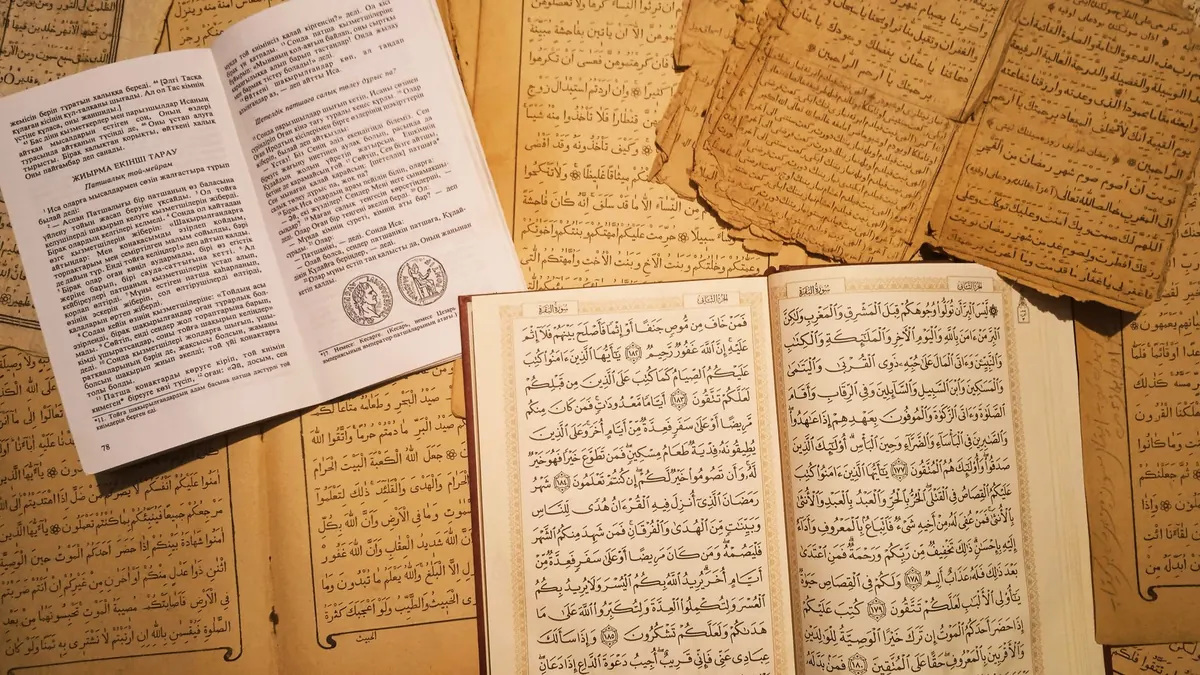
Parables live inside religious texts and preaching. Nathan's story of the poor man's ewe lamb, told to King David, is a parable in the Hebrew scriptures; the best-known set is in the Gospels, from the Good Samaritan to the mustard seed and the hidden treasure. Rabbinic teaching uses them too, often to open up a verse of scripture.
Characters: stock animals and recognisable neighbours
Fable animals arrive with their personalities attached. The fox is cunning, the lion has authority, the ant is diligent, the wolf is appetite. A reader learns the shorthand in a few pages, which is the point — nothing should slow the story down on its way to the lesson. Human characters in fables are just as thin: the farmer, the traveller, the king. Types, not people.
Parables cast ordinary people in ordinary trades. A father with two sons. A vineyard owner hiring workers at dawn. A judge who cares nothing for justice and a widow who will not stop asking. Almost none of them are named, which is deliberate: they are plausible enough to be your neighbours, and that makes it uncomfortable when you notice you are behaving like one of them.
Endings: a moral tagged on, or a question left hanging
Fables usually close with the moral spelled out, sometimes by the storyteller and sometimes by an editor working centuries later — which is why the same fable turns up with different morals in different books.
The Fox and the Grapes, in paraphrase: the fox cannot reach the fruit, so he decides it was unripe anyway. The moral notes that we do the same with the things we want and cannot have.
Parables often refuse that neatness. The Prodigal Son ends with the older brother stood outside the house, furious, while his father goes out to him. Nobody says what happens next. The Good Samaritan ends with a question turned back on the questioner: which of these three was a neighbour? A fable stops once the lesson is clear. A parable stops at the point of highest pressure and leaves you there.
The same story in both forms
Take the parable of the workers in the vineyard. A landowner hires labourers at dawn for a day's wage, then goes out again at nine, at noon, at three and at five, hiring whoever is still standing idle. At the end of the day he pays the last group first — a full day's wage — and the men who worked through the heat complain. The owner answers one of them directly: take your pay and go; are you envious because I am generous? This is not a general point about wage policy. It presses a claim about generosity and resentment, and leaves the ones who thought they had earned their place exposed.
As a fable, the same material narrows. The ants work all summer, one drifts in at dusk, and the queen rewards them all alike. The moral would be a flat observation — a master's favour is not a wage — and you would nod and move on.
- Purpose — a fable offers a general rule; a parable presses a claim on a listener.
- Cast — animals and stock figures versus plausible people in real trades and family roles.
- Setting — timeless and unplaced versus named roads, coins, harvests and festivals.
- Ending — stated moral versus open question or unresolved scene.
- Response wanted — agreement and a change of habit versus self-recognition and a change of heart.
- Usual effect — fables make you nod; parables make you wince.
How to tell which one you are reading
- Look at the cast. Talking animals carrying human vices point to fable.
- Read the last two lines. A neat summing-up of the lesson is a fable's signature; a question or a hanging scene belongs to parable.
- Check the world of the story. If it names roads, coins, harvests and social roles, expect a parable.
- Ask what you are being invited to do: agree with a principle, or recognise yourself.
- Note where it was published. Collections of animal tales belong to the fable tradition; Gospels, sermons and rabbinic writing are parable country.
Using both well
The commonest mistake with a parable is to flatten it into a fable. "The moral of the Good Samaritan is that we should be kind to strangers" is true as far as it goes, and it throws away the sting: the original listeners were the ones being asked whether they would stop, and their answer was not obvious.
The commonest mistake with a fable is to over-read it. The fox and the grapes is not an allegory of ambition, loss and the human condition; it is a sharp little observation about how we talk ourselves out of disappointment.
So read them differently. With a fable, ask what habit the story is recommending and whether you agree with it. With a parable, ask who you are inside it, and stay with that question for longer than is comfortable. And if you are writing one yourself, decide first which job you want the story to do. A fable that ends on an unanswerable question will feel unfinished; a parable that ends with "so be nice to people" will feel flat.
Photo: Brett Jordan / Pexels